
The question of whether a SharePoint intranet still matters comes up surprisingly often. Yet in many organisations, it remains the primary space for internal communication and access to information.
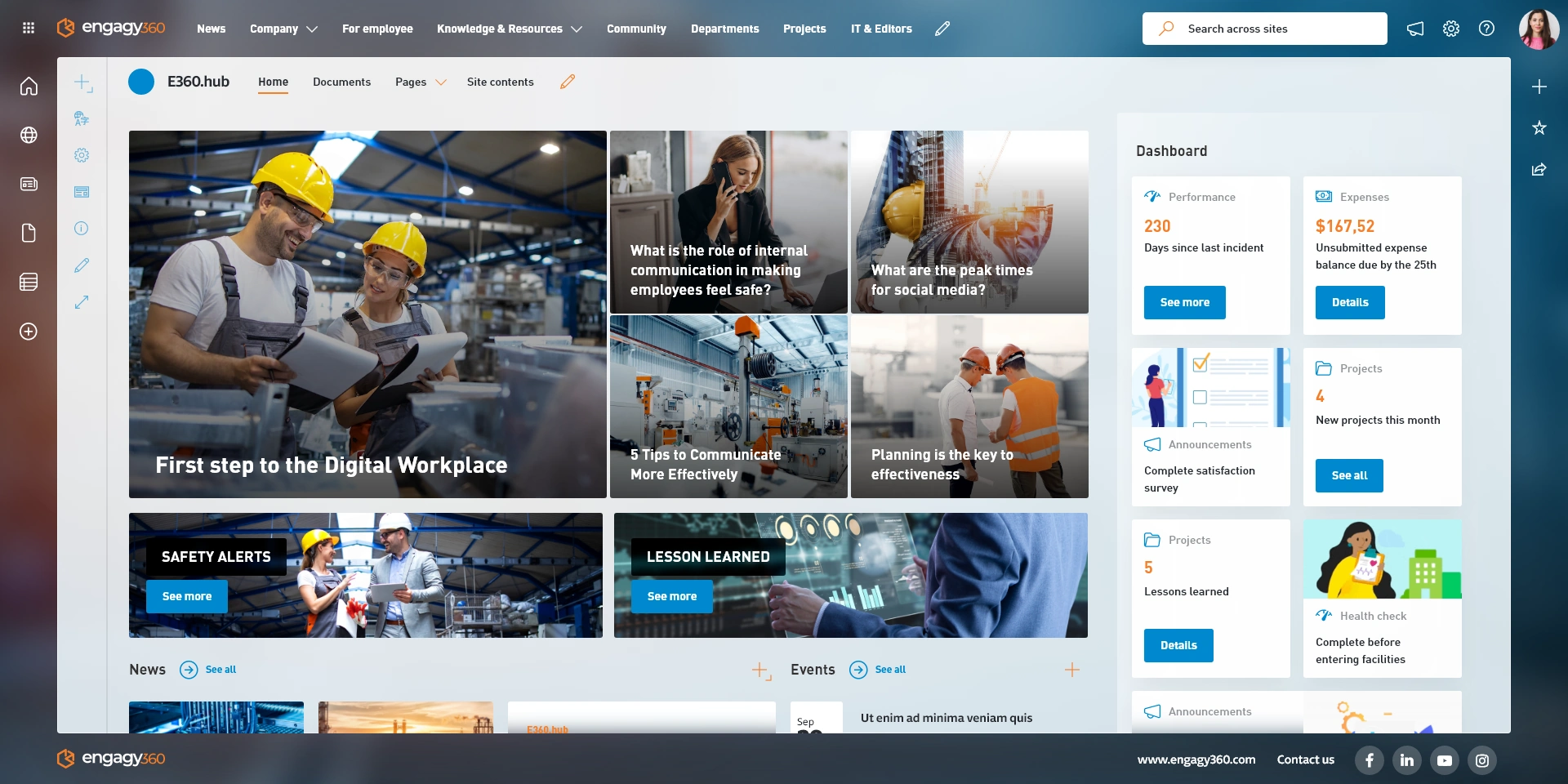
Figure 1. A Landing Page of a Modern Intranet
Intranets have evolved significantly since their introduction. They started as simple bulletin boards for news and documents. Today, they are central communication platforms. They help employees find information and work more efficiently.
Research, including Gallup’s State of the Global Workplace reports, shows a clear pattern. Engaged employees are more productive. They stay longer with their organisations and perform better. A well-designed intranet supports their engagement. It improves communication and reduces confusion, making everyday work easier.
Yet, many organisations still ask the same questions.
This article answers whether intranets are still relevant. It also shows the value of SharePoint as an intranet’s foundation and what makes a SharePoint intranet effective.
SharePoint is a part of the Microsoft 365 platform. It allows the creation and management of internal websites and collaboration spaces. In the intranet context, it serves as a flexible foundation for integrating communication with everyday work tools.
Yes, you can. But the platform alone does not guarantee success.
A Forbes Coaches Council article listed twelve reasons why digital transformation initiatives fail. Most of them had little to do with technology. They focused on people, ownership, and processes. The same applies to intranet projects.
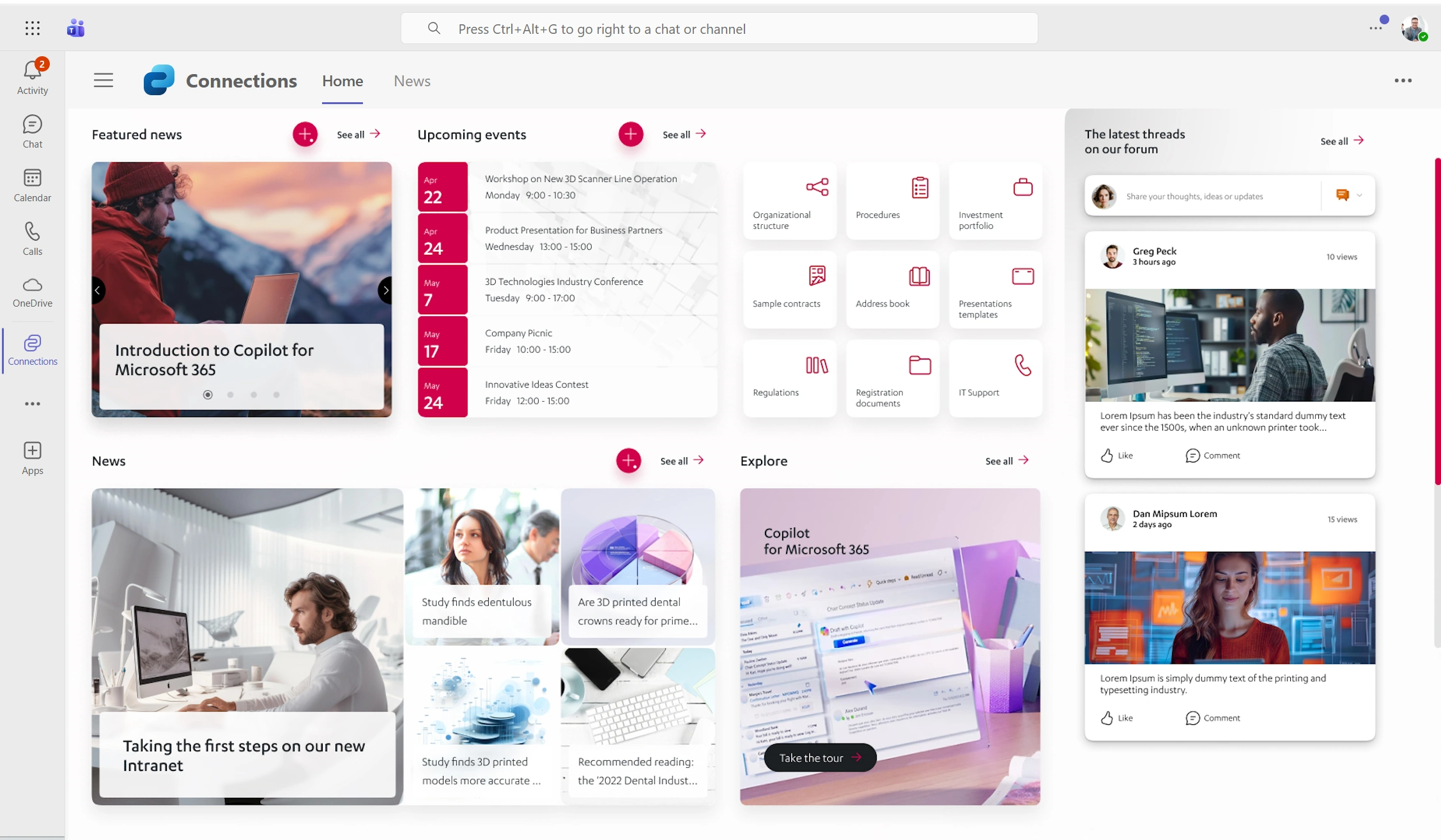
Figure 2. A SharePoint intranet homepage in Microsoft Teams
SharePoint provides a strong, flexible foundation for intranet development. It includes an intuitive content management system. You can publish pages, news, documents, events, and tasks. SharePoint also integrates deeply with Microsoft 365. It works on all devices, supports multiple languages, and scales with the organisation.
Technology, however, is only part of the picture. Clear goals, good planning, and long-term ownership matter just as much.
SharePoint provides more than pages and document libraries. It allows you to create an Intranet that:
A SharePoint intranet creates a unified communication environment. It works on desktop and mobile devices. It supports growth and benefits from continuous platform improvements.

Figure 3. Microsoft 365, SharePoint Online and Viva Engage help you build an effective intranet
Because SharePoint is included in Microsoft 365 licences, many organisations can build an intranet without extra platform costs.
Does this mean SharePoint covers every need? Not always.
Some organisations may require advanced features. Some intranets need a unique visual design. And sometimes you need a complex migration to get your intranet up and running. In those cases, SharePoint can benefit from third-party tools. The platform has been on the market for many years, so reliable add-ons are widely available.
Features do not solely define an effective intranet. Outcomes do.
A SharePoint intranet helps employees stay informed and feel connected by:
These qualities depend more on the approach and design rather than on technology. The understanding of how our employees work is crucial. Only then we are able to provide them with value.
No matter how advanced an intranet portal is, it will deliver no benefits unless users actively engage with it. User experience plays a key role here. Employees should feel that their intranet is familiar. That its sole purpose is to fulfill their needs. Users should find information quickly and understand where to go next. They need to trust what they see.
Theory supports that idea. Introduced by Corey Stern, a CUBI UX model deconstructs the user experience subject into Content, User Goals, Business Goals, and Interactions. In terms of intranet development, using this model:
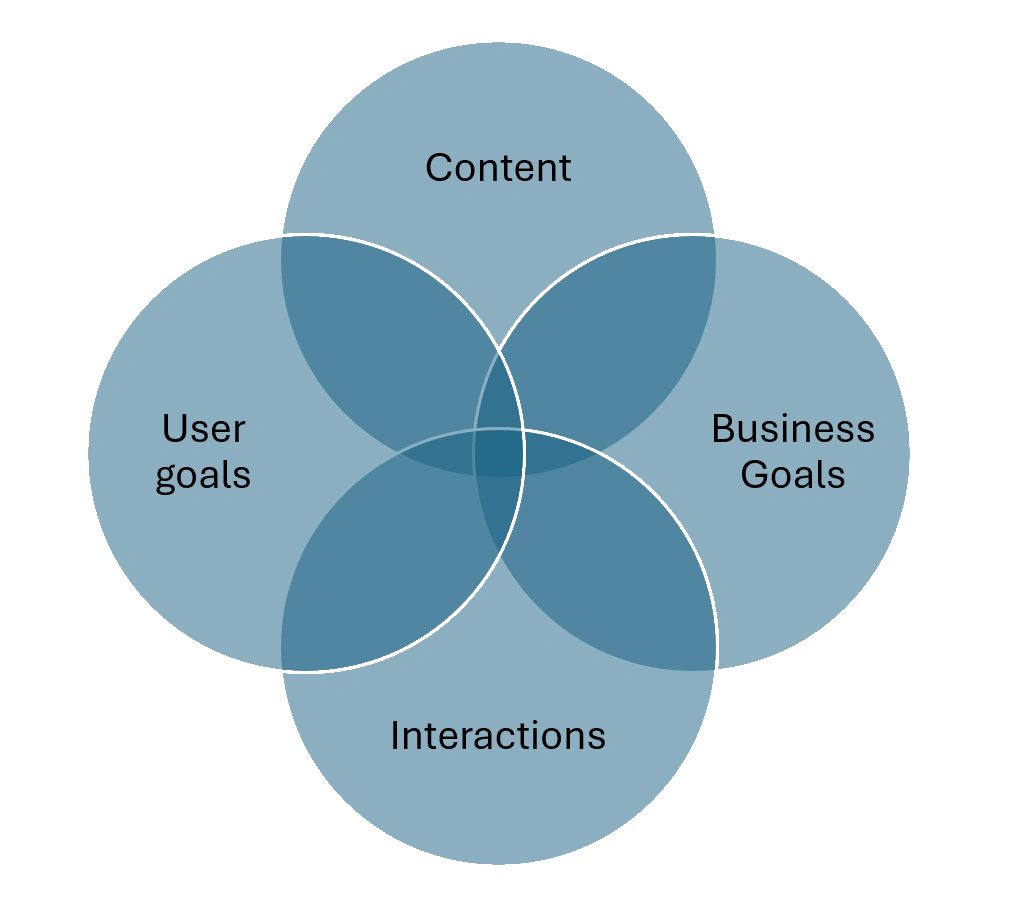
Figure 4. CUBI UX Framework
Without diving deeper into the framework, we can clearly see that responding to user needs, providing appropriate content, and aligning with project goals are key to intranet adoption and, therefore, its success.
As a result, an intranet reflects the organisation’s culture. It uses language people recognise. It matches how they work. When content feels relevant, the intranet stops being “another tool”. It becomes a place employees rely on.
A global marine professional services company learned this lesson. Its workforce was highly mobile. The intranet relied on long, CMS-heavy articles. Editors did not have time to write them. As a result, the homepage became outdated and engagement dropped.
The organisation changed its approach. It focused on short, field-based updates. Editors wrote messages that covered projects and their successes. This made user engagement increase quickly due to the relevant and timely content.

Start by defining a set of goals. An intranet should never exist for its own sake. It exists to support communication and daily work, increasing your organization’s performance in the long run.
SharePoint provides a solid technical foundation. Effectiveness, however, depends on understanding users and defining clear outcomes. A solid plan is required.
In the following article, we focus on planning. We will look at users, content, and information architecture. These elements form the basis of a successful SharePoint intranet design.

See your intranet come to life before you commit. With Engagy360, you don’t just imagine your ideal digital workplace. You get a working prototype tailored to your organization, ready to explore and test. Schedule a demo and see your intranet in action!
Book a demo